Maintaining a healthy, green lawn in Massachusetts can be challenging. Between freezing winters, wet springs, hot summers, and unpredictable New England weather, your grass experiences a wide range of conditions throughout the year.
Fortunately, keeping your lawn looking its best doesn’t have to be complicated. With the right maintenance practices and a little seasonal planning, Massachusetts homeowners can enjoy thicker, healthier grass from spring through fall.
Here are five lawn care tips from Corliss Landscape & Irrigation to help keep your yard in great shape.
1. Mow Your Lawn at the Right Height
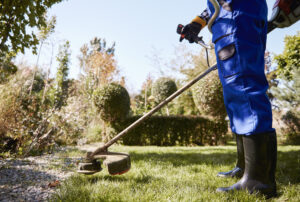
One of the simplest ways to improve your lawn’s health is to adjust how you mow. Cutting grass too short can weaken its roots, dry out the soil, and make it easier for weeds to take over.
Most Massachusetts lawns contain cool-season grasses, including Kentucky bluegrass, perennial ryegrass, and tall fescue. These varieties generally perform best when maintained at a height of approximately 2.5 to 3.5 inches during the growing season, depending on the grass type and conditions.
A few mowing practices can make a big difference:
- Avoid removing more than one-third of the grass blade during a single mowing.
- Keep mower blades sharp to prevent tearing the grass.
- Leave fine grass clippings on the lawn to return nutrients to the soil.
- Raise your mowing height during hot, dry summer weather.
Taller grass also helps shade the soil, reducing moisture loss and limiting the amount of sunlight reaching weed seeds.
For additional guidance on mowing heights and proper lawn care, the University of Massachusetts Amherst provides helpful lawn mowing recommendations specifically for New England homeowners.
2. Water Deeply Instead of Watering Every Day
Proper watering is essential for a healthy lawn, especially during Massachusetts summers when periods of high temperatures and limited rainfall can stress your grass.
Rather than watering lightly every day, aim for deeper, less frequent watering sessions. This encourages grass roots to grow farther into the soil, helping your lawn tolerate dry conditions.
Many established lawns need approximately 1 inch of water per week during active growth, including rainfall, although actual requirements depend on soil conditions, grass type, and weather.
Tips for Better Lawn Watering
- Water early in the morning to reduce evaporation.
- Monitor rainfall before running your sprinklers.
- Avoid watering late in the evening, which can leave grass wet overnight.
- Adjust watering schedules during rainy periods.
- Follow any local water restrictions.
An appropriately designed irrigation system can help distribute water evenly across your property while reducing unnecessary water usage.
At Corliss Landscape & Irrigation, we help Massachusetts homeowners maintain their lawns with professional irrigation installation and maintenance services designed around their property’s needs.
3. Aerate and Overseed Your Lawn in the Fall
Over time, foot traffic, lawn equipment, and normal soil settling can cause the ground beneath your grass to become compacted.
Compacted soil makes it harder for water, oxygen, and nutrients to reach the roots. This can result in thinning grass, poor drainage, and areas that struggle to grow.
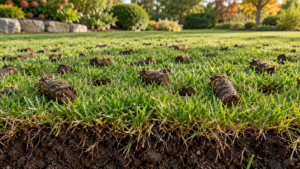
Core aeration helps address this problem by removing small plugs of soil, creating openings that allow air and water to move into the ground.
For many Massachusetts lawns, late summer through early fall is an excellent time to aerate and overseed. Cooler temperatures, warm soil, and generally more consistent moisture create favorable conditions for cool-season grass establishment.
Benefits of Aeration and Overseeding
- Fill in thin or bare areas.
- Improve overall lawn density.
- Introduce grass varieties better suited to your property.
- Reduce opportunities for weeds to establish.
Not every lawn requires annual aeration. The best schedule depends on soil compaction, lawn use, and overall turf health.
Want to learn more? Read our guide on why soil aeration is important for a healthy lawn to understand how this process improves soil conditions and encourages stronger grass growth.
4. Fertilize According to the Season and Your Soil
Your lawn needs nutrients to grow, but applying fertilizer at the wrong time or in excessive amounts can do more harm than good.
Massachusetts lawns typically experience their strongest growth during the cooler temperatures of spring and fall. These periods are often more suitable for fertilization than the hottest weeks of summer.
However, the best fertilizer program starts with understanding what your soil actually needs.
A soil test can identify nutrient deficiencies and measure soil pH, helping you avoid unnecessary applications.
Tips for Proper Lawn Fertilization
- Test your soil before developing a fertilization plan.
- Choose fertilizers based on your lawn’s nutrient requirements.
- Avoid applying fertilizer to drought-stressed or dormant grass.
- Follow product directions and applicable Massachusetts fertilizer regulations.
- Keep fertilizer off driveways, sidewalks, and storm drains.
Proper fertilization supports stronger root development, healthier growth, and improved lawn resilience throughout the year.
5. Stay Ahead of Seasonal Lawn Maintenance
One of the biggest mistakes homeowners make is waiting until their lawn looks unhealthy before taking action.
In Massachusetts, successful lawn care is a year-round process. Each season presents different challenges, and preparing ahead of time can prevent small problems from becoming expensive repairs.
Spring Lawn Care
Remove winter debris, inspect for damaged areas, check irrigation equipment, and begin mowing as the grass starts actively growing.
Summer Lawn Care
Maintain a higher mowing height, monitor soil moisture, and watch for signs of drought stress, insects, and disease.
Fall Lawn Care
Address compacted soil, overseed thin areas when appropriate, and continue mowing. Do not remove fallen leaves if you can get away with it, fallen leaves can help provide nutrients to the soil.
Winter Lawn Care
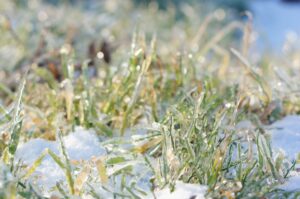
Minimize unnecessary foot traffic on frozen or snow-covered grass and avoid piling excessive amounts of road salt or treated snow onto lawn areas.
Following a consistent seasonal maintenance schedule helps your lawn recover from weather extremes and prepares it for the next growing season.
For homeowners looking for professional assistance, Corliss offers a range of landscaping and lawn maintenance services to help keep outdoor spaces looking their best throughout the year.